Promoting Sports and Inclusive Development for Blind and Visually Impaired Children in Nepal
Summary
Nepal Association for the Welfare of the Blind (NAWB) has been promoting the rights and development of blind and visually impaired people in Nepal since 1985. Recognizing the importance of sports for physical, mental, and social development, NAWB introduced inclusive indoor and outdoor sports programs for blind students. Activities such as athletics, high jump, long jump, javelin, softball throw, chess, and ludo improve fitness, mobility, confidence, leadership, teamwork, and strategic thinking. NAWB also organized national-level Paralympic and Special Games in collaboration with the Ministry of Education and Sports, bringing together 82 students from schools across Nepal. Supported by USAID through Handicap International (Humanity & Inclusion), the program was initially implemented in four schools in Surkhet and Nepalgunj. The initiative strengthened inclusion, independence, and equal opportunities while raising community awareness of the abilities of blind children. The sports program was coordinated by Mr. Ratna Kaji Dangol, Program Officer of NAWB, whose leadership contributed significantly to its successful implementation and impact.
Nepal Association for the Welfare of the Blind (NAWB): Promoting Sports and Inclusive Development for Blind and Visually Impaired Children in Nepal
Since its establishment in 1985, the Nepal Association for the Welfare of the Blind (NAWB) has been dedicated to improving the quality of life of blind and visually impaired people throughout Nepal. The organization works to ensure that children and young people with visual impairments have equal opportunities to develop their physical, intellectual, social, and leadership skills through education, sports, and community participation.
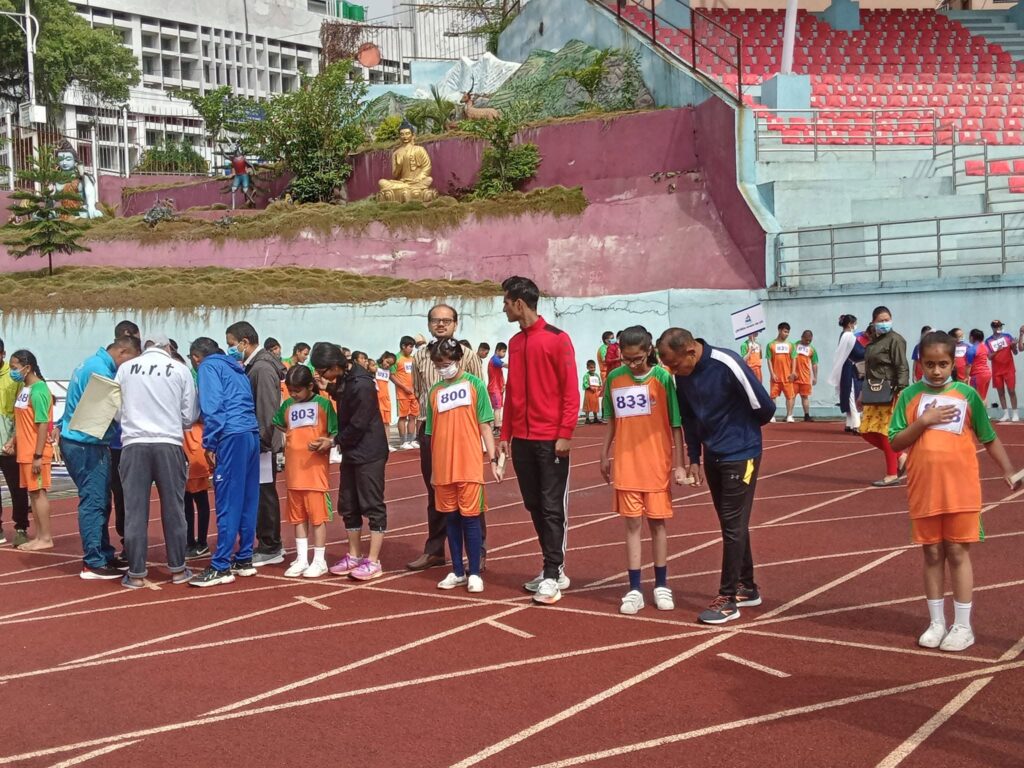
Recognizing that blind and visually impaired children often face barriers to mobility, social inclusion, and participation in recreational activities, NAWB has made sports and games one of its major program priorities. Many blind individuals experience limited independent mobility and frequently depend on family members, teachers, or guides for movement from one place to another. As a result, they often have fewer opportunities to engage in physical activities, which can affect their overall health, confidence, and social interaction.
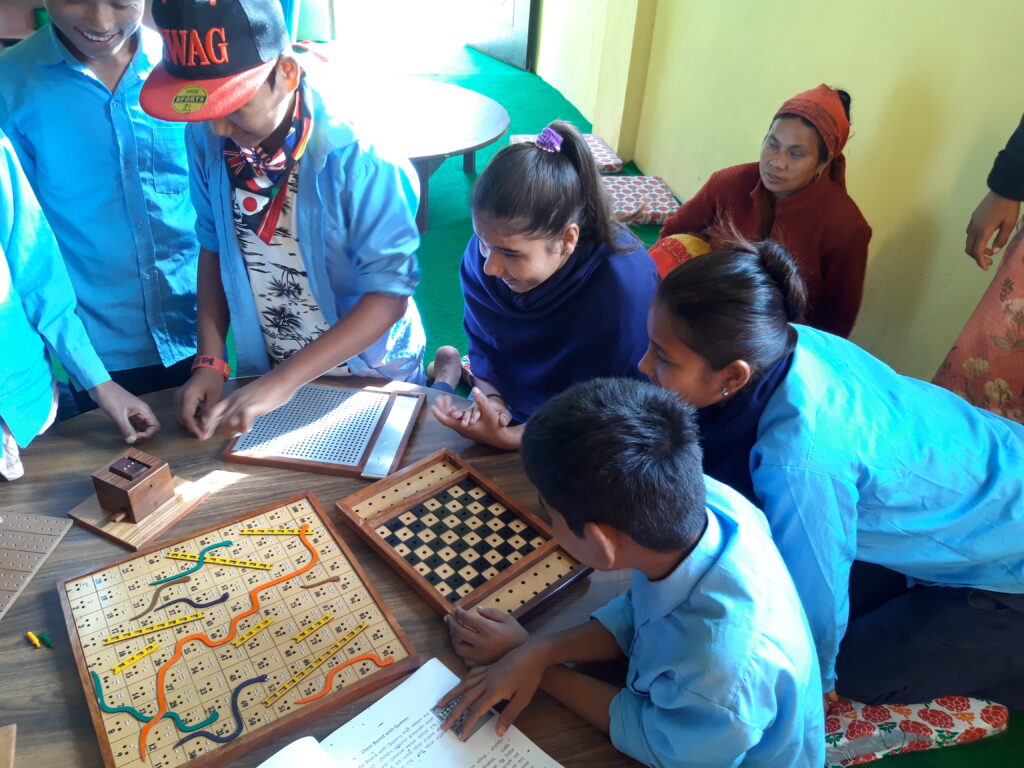
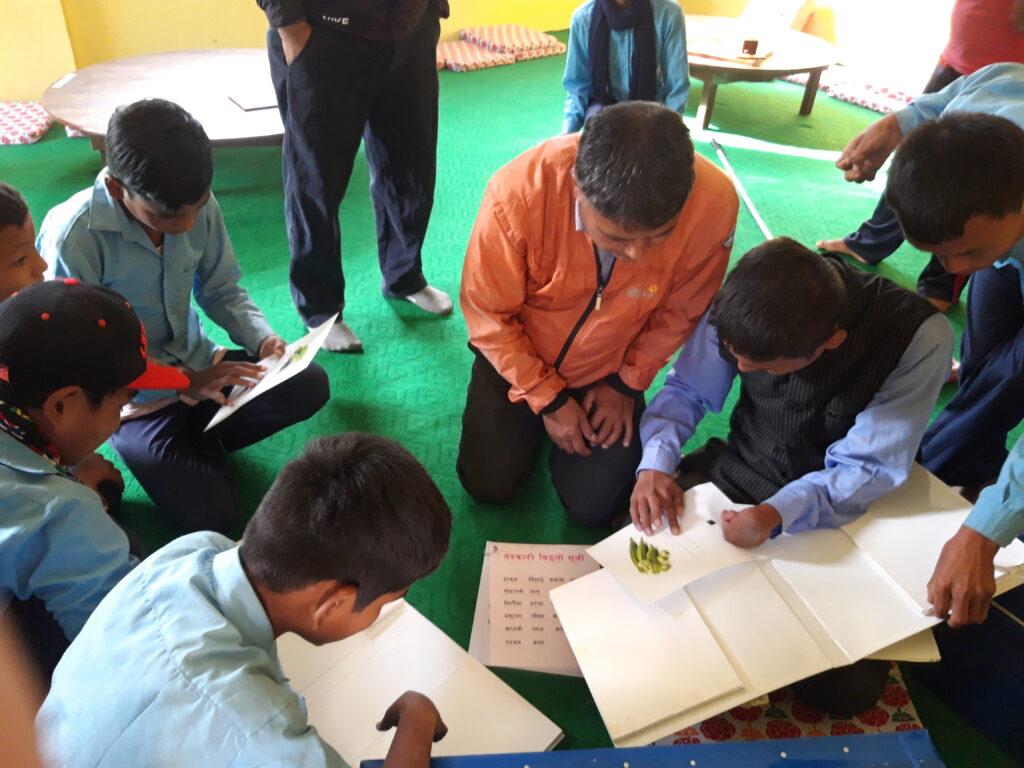
To address these challenges, NAWB has been implementing various sports and recreational programs specifically designed for blind and visually impaired students. These activities encourage participants to become more physically active, independent, self-confident, and socially engaged while promoting teamwork, discipline, and healthy competition.
Sports and Games for Holistic Development
NAWB believes that both outdoor and indoor games play equally important roles in the holistic development of blind and visually impaired children.
Outdoor Sports
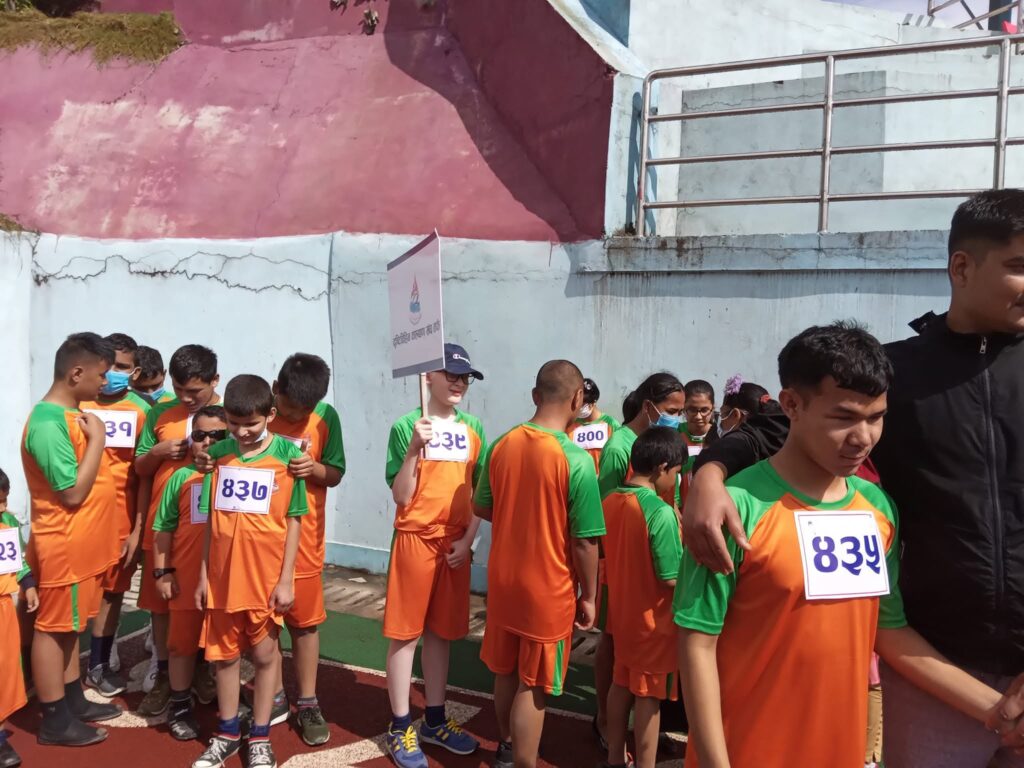
Outdoor sports help improve physical fitness, mobility, balance, coordination, orientation, and overall health. They also encourage participants to overcome fear, build confidence, and develop leadership and teamwork skills. The outdoor sporting events include:
- Athletics (running races)
- High jump
- Long jump
- Softball throw
- Javelin throw
- Other adapted outdoor games
These activities strengthen physical strength while enabling participants to experience the excitement of competitive sports in an inclusive environment.
Indoor Games
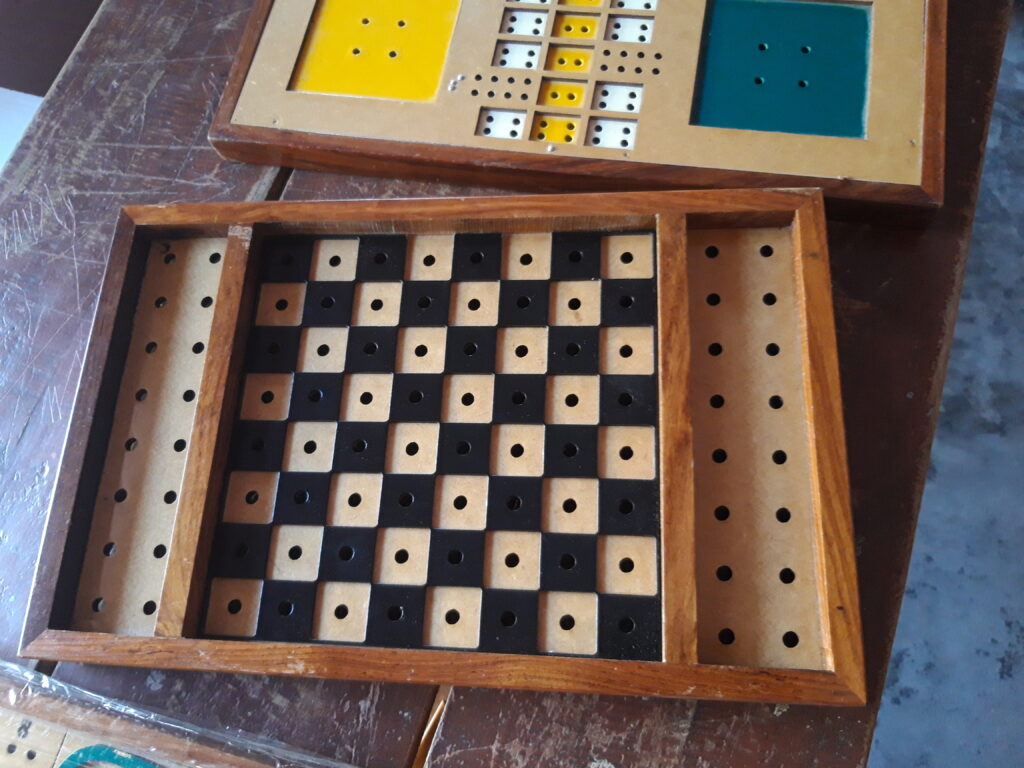
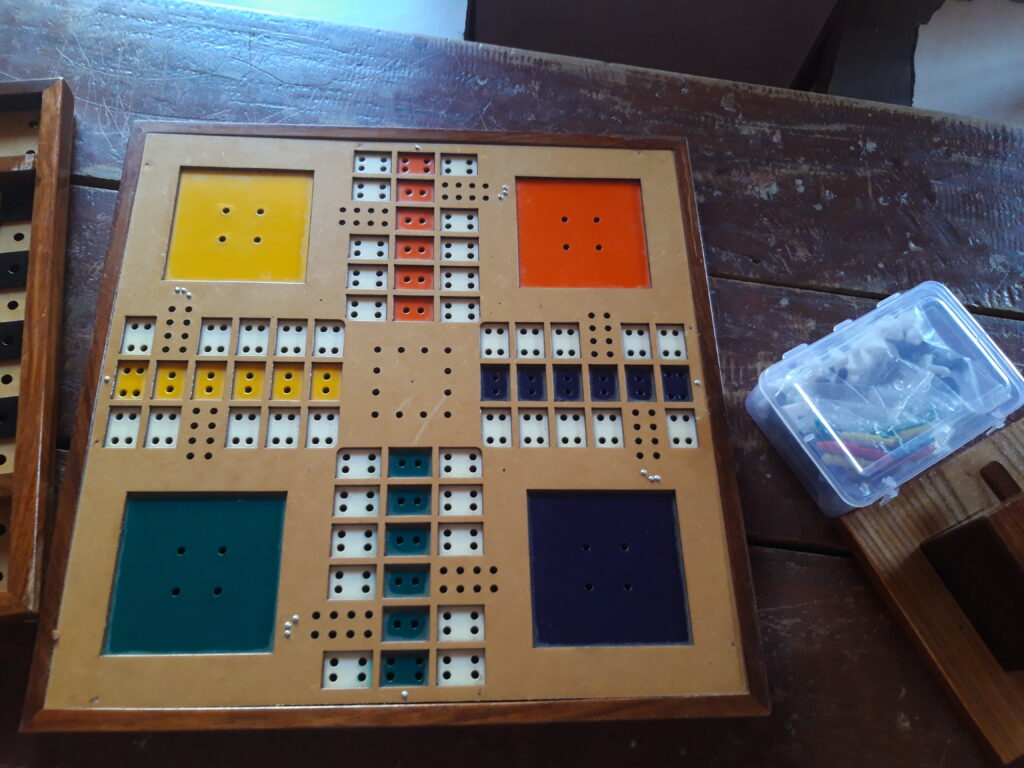
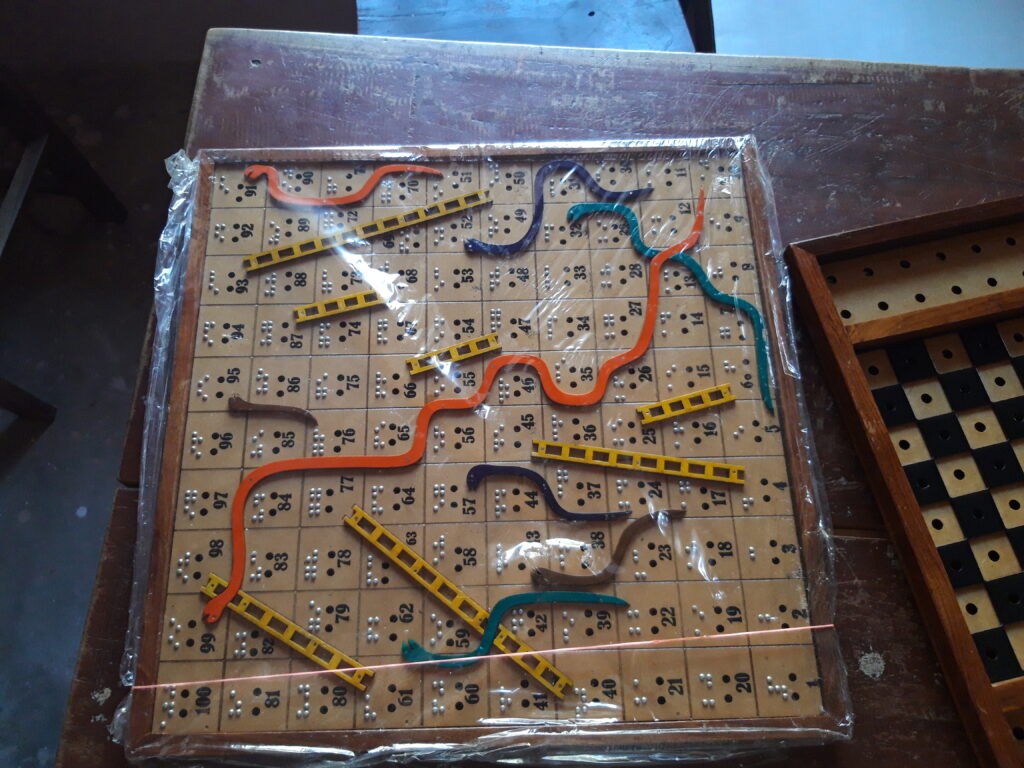
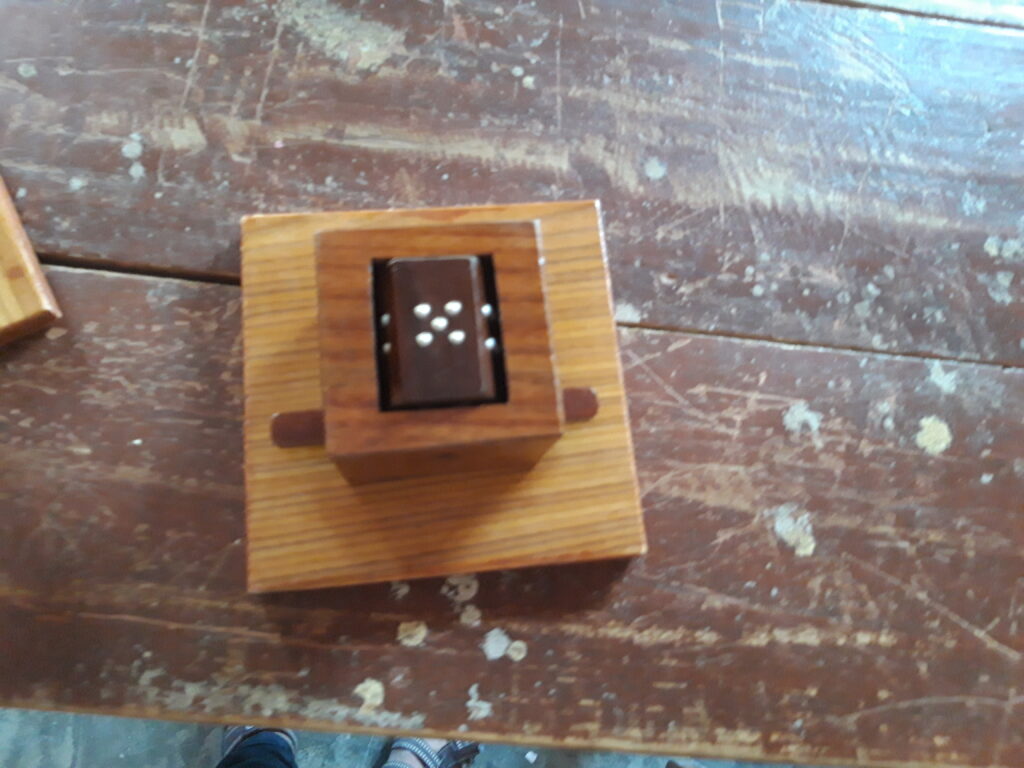
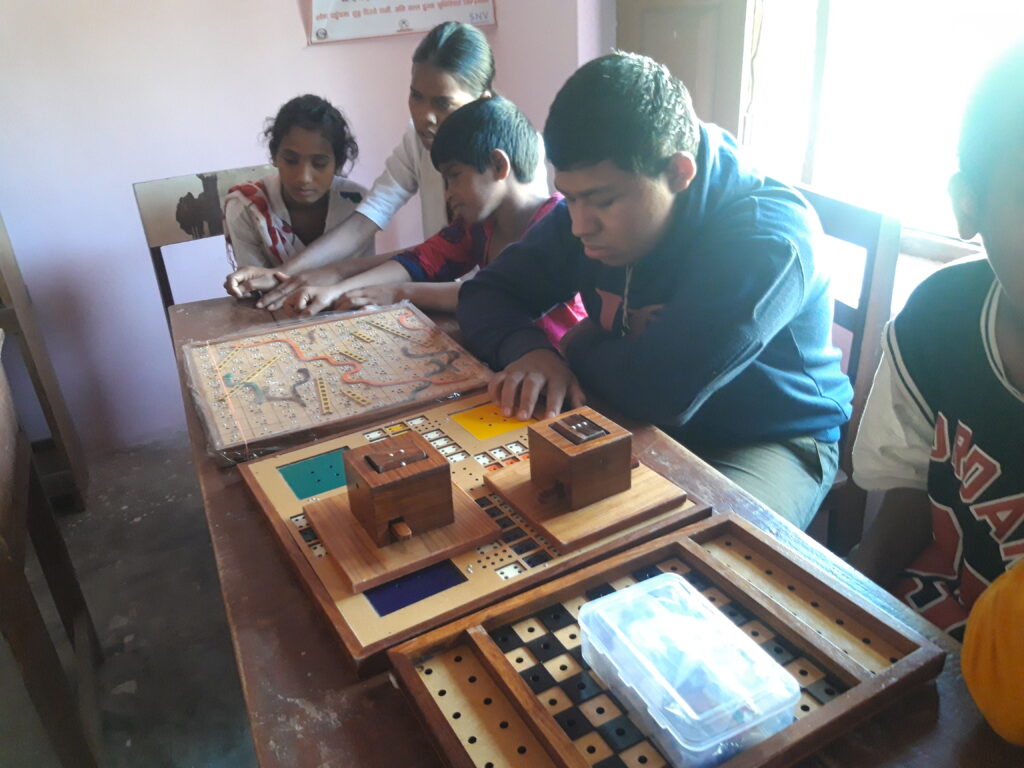
Indoor games contribute significantly to intellectual, emotional, and cognitive development. They enhance concentration, strategic thinking, memory, decision-making, patience, and problem-solving abilities. The indoor competitions include:
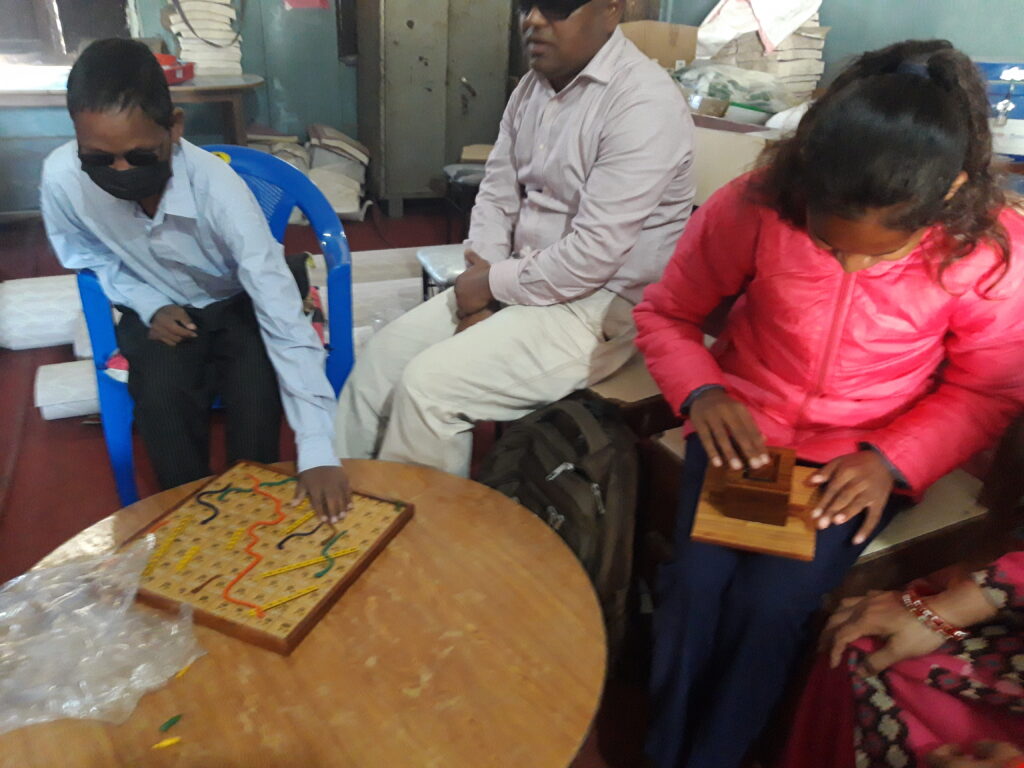
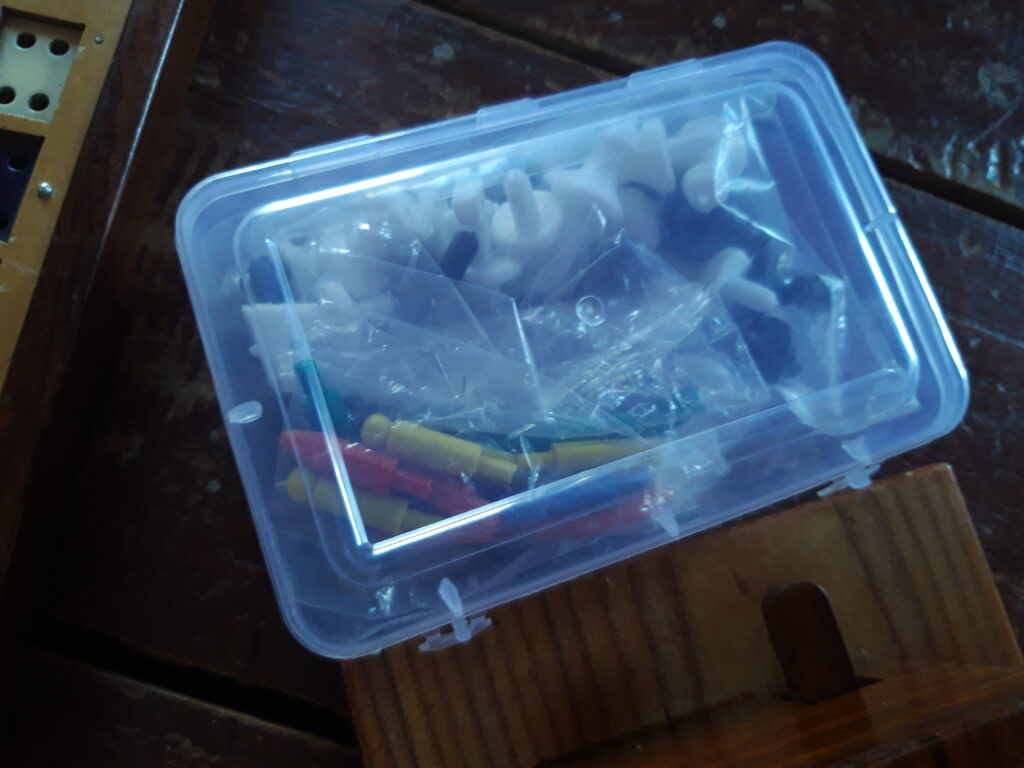
- Chess
- Ludo
- Other recreational and strategy-based games suitable for blind and visually impaired students
These games provide opportunities for students to develop their mental abilities while fostering friendship, confidence, and healthy competition.
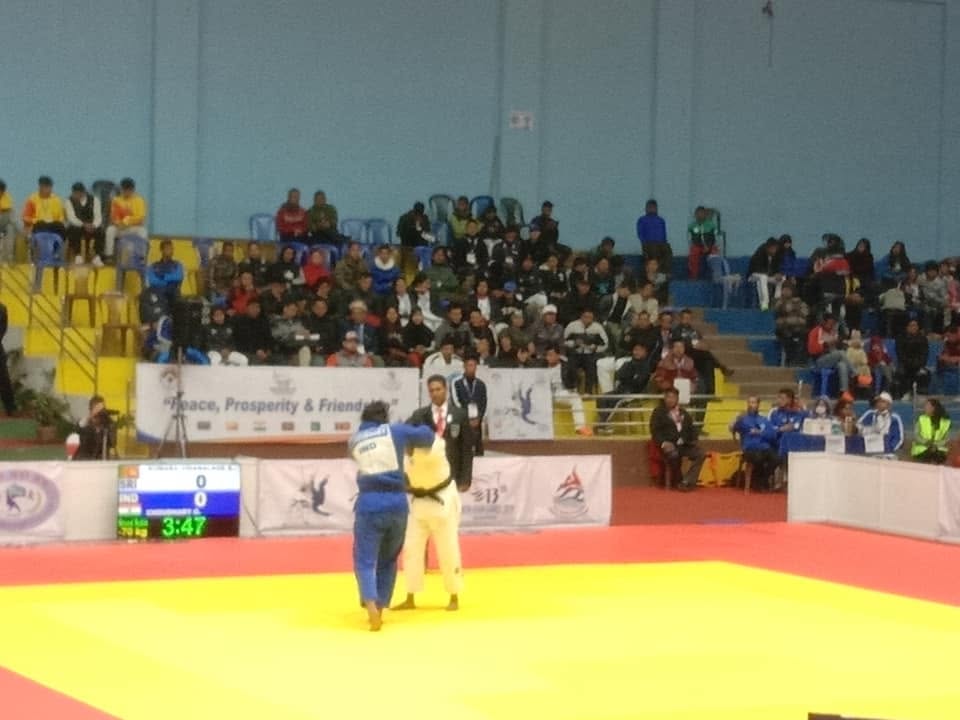
National-Level Paralympic and Special Games
NAWB has also played a leading role in organizing and coordinating national-level Paralympic and Special Games for blind and visually impaired students in collaboration with the Ministry of Education and Sports. These competitions bring together students from schools across Nepal, providing them with a platform to demonstrate their talents and compete at the national level. The first-, second-, and third-place winners were awarded cash prizes, medals, and certificates in recognition of their outstanding performance and achievements. The awards were presented during the closing ceremony to encourage excellence, boost participants’ confidence, and motivate blind and visually impaired students to continue developing their talents through sports and games.
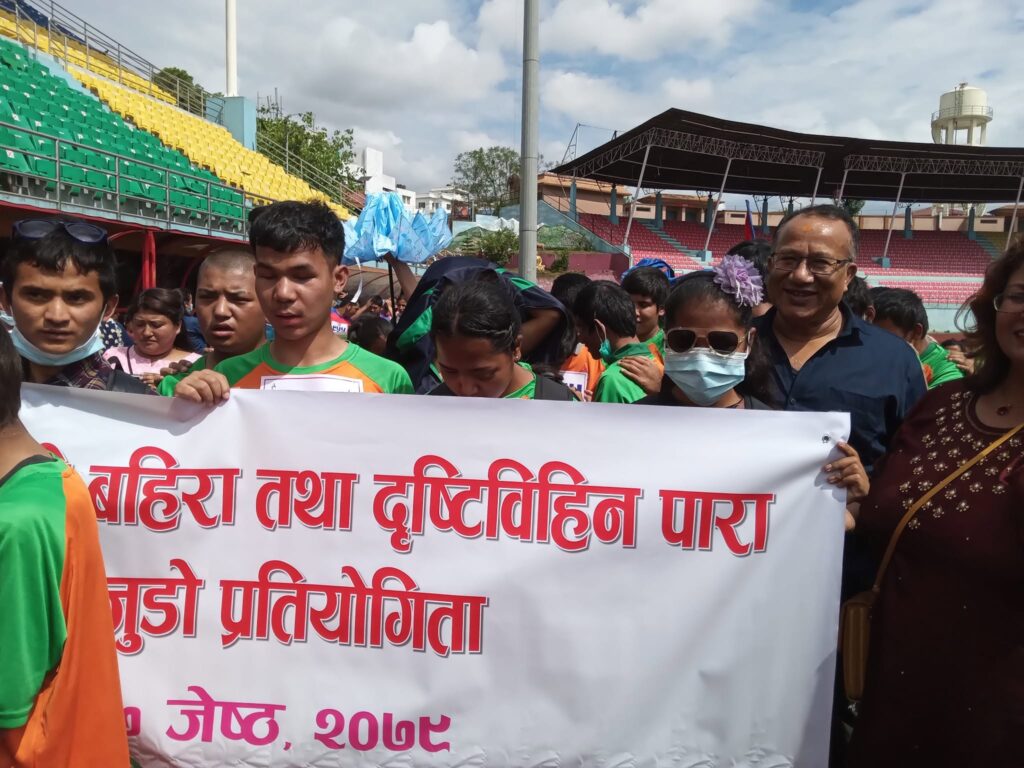
The event attracted participation from 82 blind and visually impaired students representing schools from different parts of the country. Such competitions promote inclusion, equal opportunities, and recognition of the abilities of children with visual impairments rather than focusing on their disabilities.
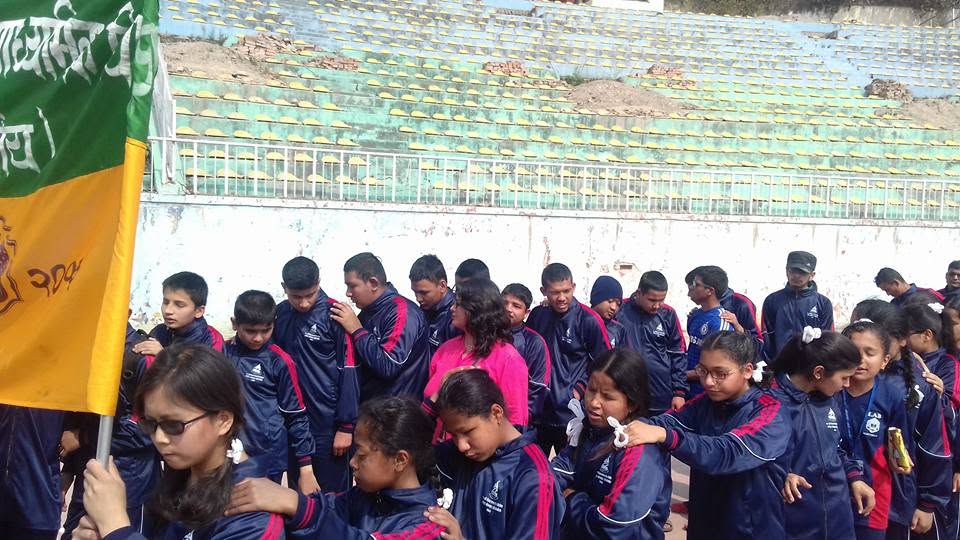
Through these national events, participants not only improve their athletic skills but also develop self-esteem, independence, leadership qualities, and social networks that extend beyond their schools and communities.
Project Support
The sports development initiative was implemented with financial support from USAID through Handicap International (now known as Humanity & Inclusion). The project aimed to strengthen inclusive sports opportunities for blind and visually impaired students while promoting equal access to physical education and recreational activities.
The program was initially implemented in four schools:
- Shikhar Secondary School, Surkhet
- Baljyoti Secondary School, Surkhet
- Mangal Secondary School, Nepalgunj
- Tribhuvan Secondary School, Nepalgunj
- These schools served as pilot institutions where blind and visually impaired students received regular opportunities to participate in structured sports and recreational activities.
Impact of the Program
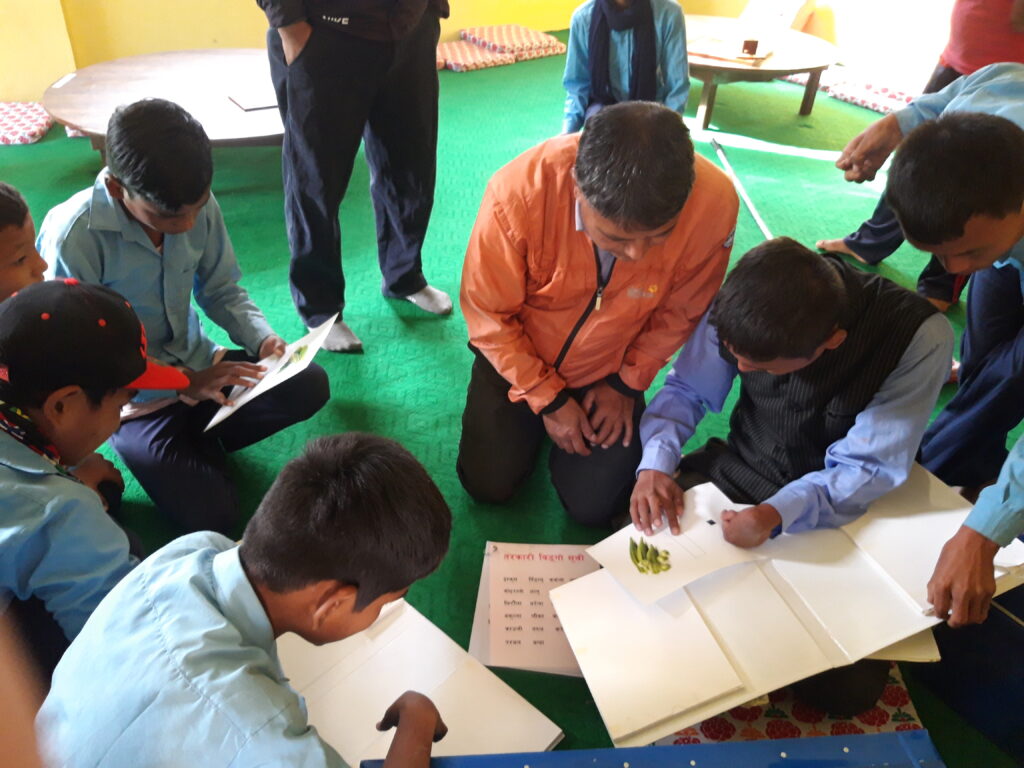
The sports program has had a significant positive impact on blind and visually impaired students. Through regular participation in sports and games, students have demonstrated improvements in:
- Physical fitness and overall health
- Independent mobility and orientation
- Self-confidence and self-esteem
- Social interaction and communication skills
- Leadership and teamwork
- Mental concentration and strategic thinking
- Emotional well-being and resilience
The program has also increased awareness among teachers, parents, and local communities about the capabilities and potential of blind and visually impaired children. Rather than viewing disability as a limitation, the initiative highlights the importance of providing equal opportunities for participation, achievement, and personal growth.
Conclusion
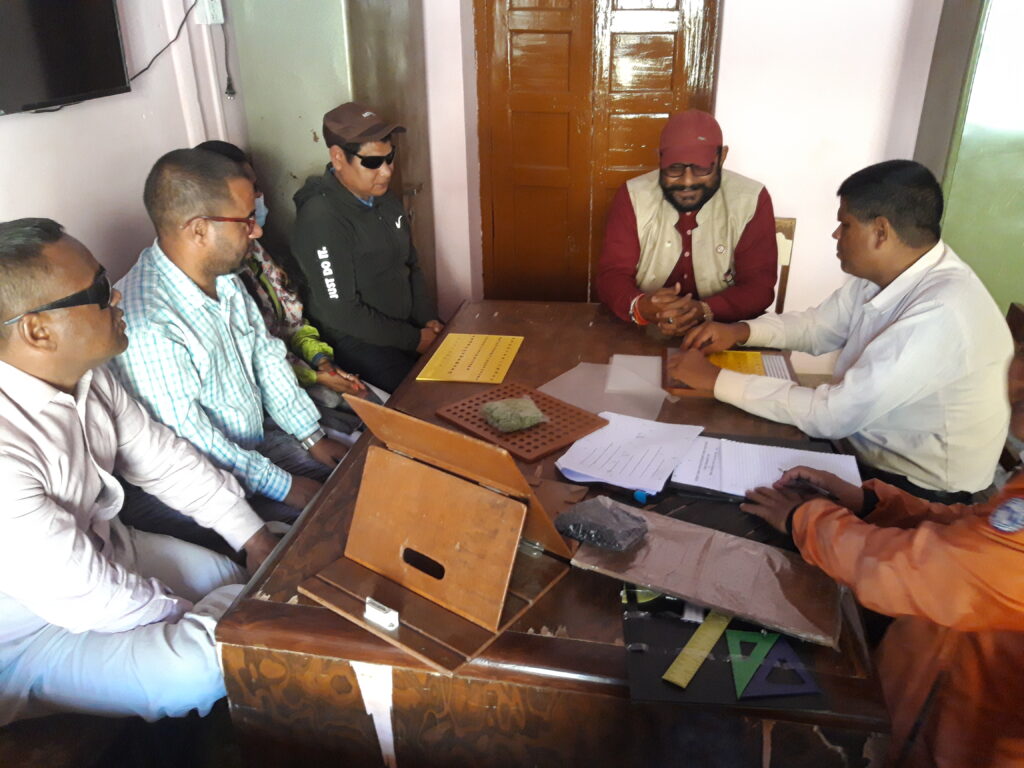
For more than four decades, the Nepal Association for the Welfare of the Blind (NAWB) has remained committed to empowering blind and visually impaired children and young people across Nepal. Through its sports and recreational programs, NAWB has demonstrated that inclusive sports are not merely recreational activities but powerful tools for education, rehabilitation, social inclusion, and personal development.
By promoting both outdoor and indoor games, organizing national-level competitions, and collaborating with government agencies and development partners, NAWB continues to create opportunities for blind and visually impaired students to develop their full potential and participate actively and confidently in society. The support provided by USAID through Handicap International has contributed significantly to strengthening these efforts and expanding access to inclusive sports for blind and visually impaired children in Nepal. The games and sports handled by Mr Ratna Kaji Dangol, Program officer of NAWB.